An interesting data point open to interpretation is that more than 30 percent of face-to-face marketing professionals have been in their position for fewer than three years. This could point to an influx of talent or it could point to layoffs, with professionals forced into new jobs. Another piece of data from this year's survey points to the changing corporate culture that allows for remote, widespread teams. Although this shift creates many opportunities for job seekers, if employers aren't careful about considering different costs of living across the country, remote employees can be unfairly penalized.
The best news, however, is that most survey respondents not only said they are satisfied with their job and compensation, but said that their manager supports their company's trade show program. How does your salary measure up? Read on to find out. But remember, even when it comes to something as black and white as numbers, there is plenty of room for shades of gray.
Corporate Event Manager $107,714
Exhibit or Trade Show Coordinator $76,069
Exhibit or Trade Show Manager $100,123
Marketing Director $125,690

➤ Salary Uptick
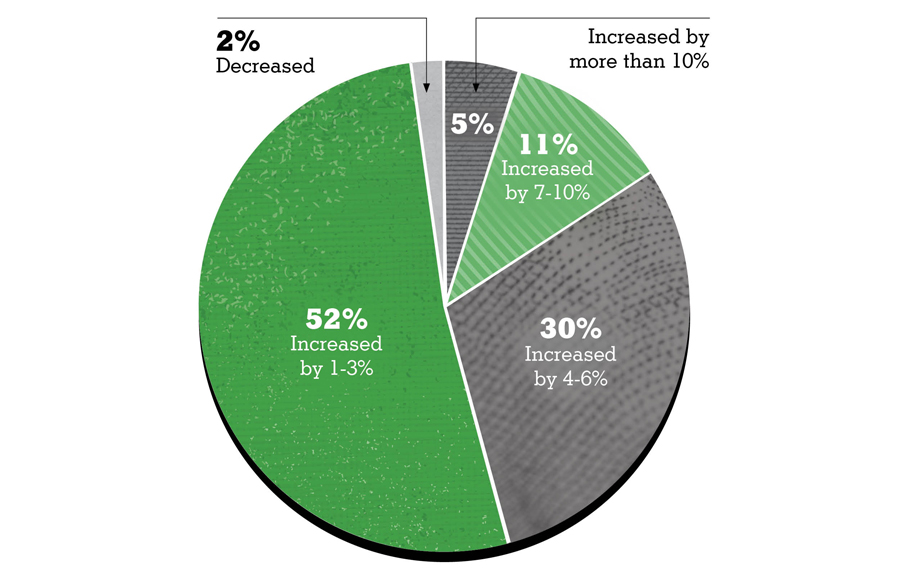
Seventy-seven percent of respondents reported receiving a raise in the last year, compared to 74 percent of respondents in 2023. An additional 22 percent of respondents maintained their salary levels. Two percent reported a decrease in compensation, up only slightly from last year, when one percent reported a decline.
➤ Predicting Futures
Sixty-four percent of respondents said they expect to receive a raise in the next 12 months, while only 26 percent of survey respondent reported that they expect their salary to remain the same.
➤ Salary Bonus
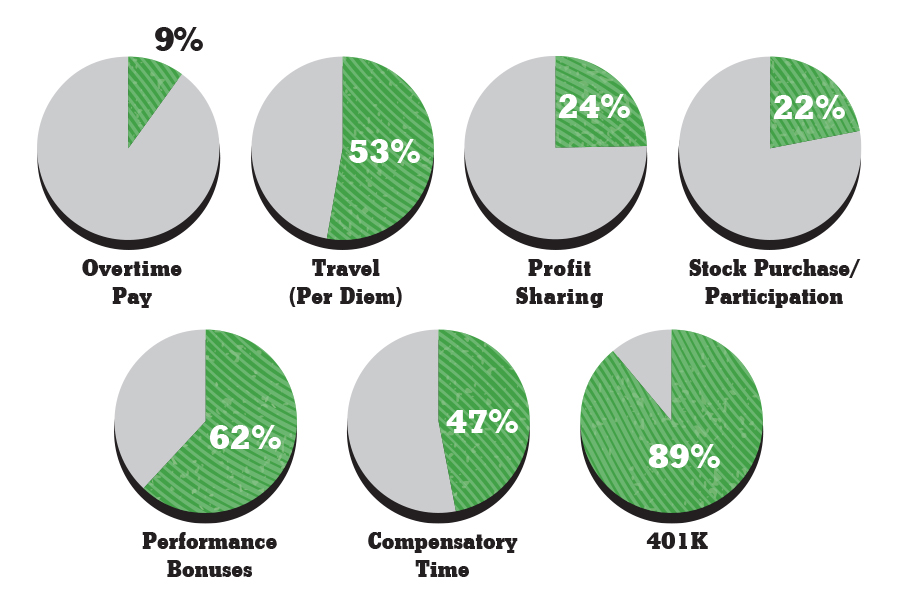
Sixty-two percent of respondents received a performance-based bonus last year, and respondents reported receiving an average of $18,786 in additional compensation in the form of bonuses, 401Ks, and stock purchases.
➤ Work/Life Balance
Nearly a quarter of respondents reported working more than 50 hours per week; four percent reported working 60 hours or more and very few reported overtime compensation. Although the majority of survey respondents work an average of 40 hours a week, industry professionals and managers still have a few work/life balance lessons they could learn.
➤ Back to School
Thirty-one percent of industry professionals reported holding an industry certification, which shows there is room for growth in formal training, particularly considering that 35 percent of respondents said they started their current role in the last three years.
➤ Unmet Desires
Forty-five percent of survey respondents said their compensation is low, up from last year's results that showed 40 percent felt that way.
Ninety-eight percent of exhibit and event professionals receive at least one form of additional compensation. This year, the value of those extras increased from $15,754 to $18,786. The following charts indicate what percentage of respondents receive each form of compensation tracked by the survey.
The following quotes are a sampling of respondents' answers to open-ended questions regarding their careers and compensation.
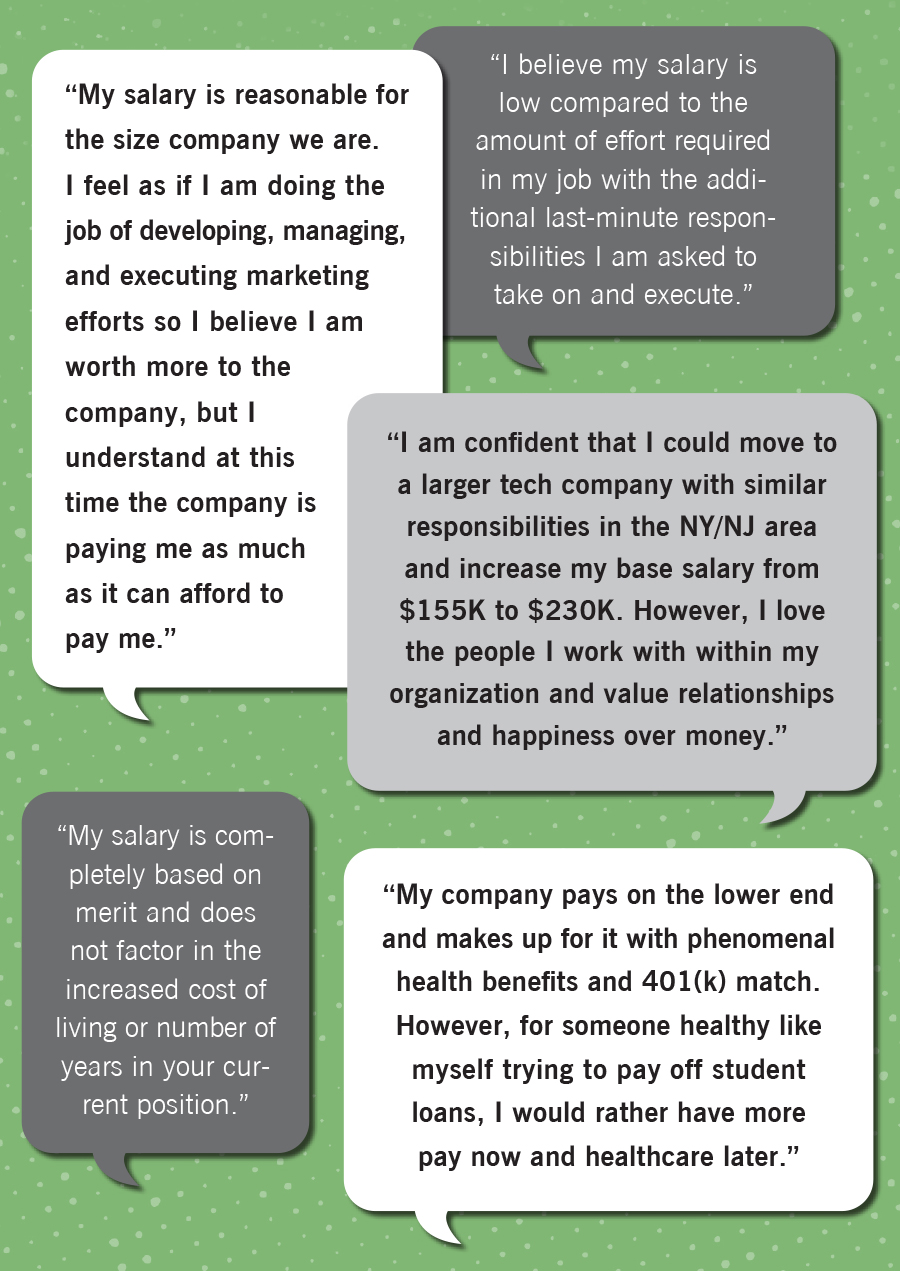
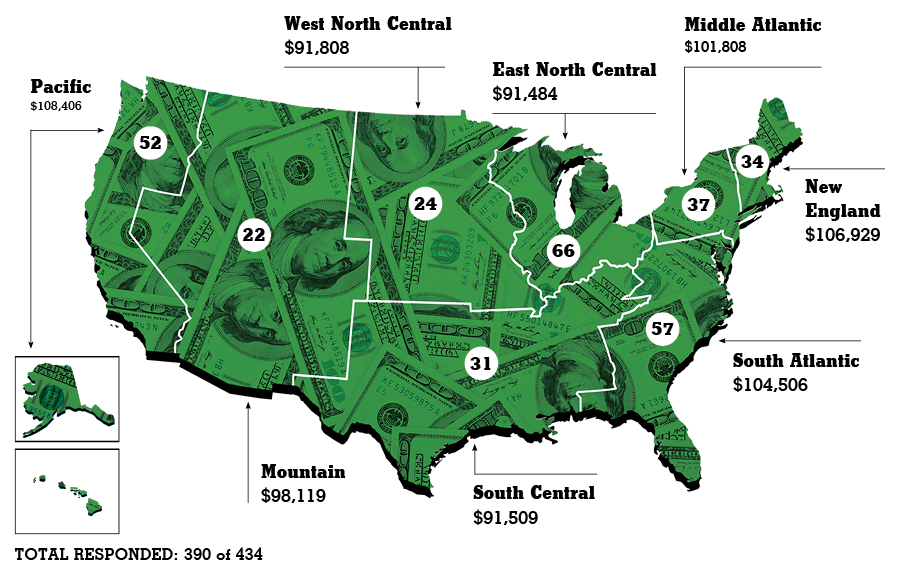
Exhibit and event professionals in the Pacific region earn salaries that are roughly 10 percent above average and about 18 percent higher than respondents based in the West North Central region. But the cost of living varies dramatically across the country, so comparisons like these are challenging to make.
Respondents with at least one industry certification (such as the Certified Trade Show Marketer designation) reported having salaries approximately 9-percent higher than those with no industry certifications at all, which amounts to roughly $8,705 in increased earnings per year.

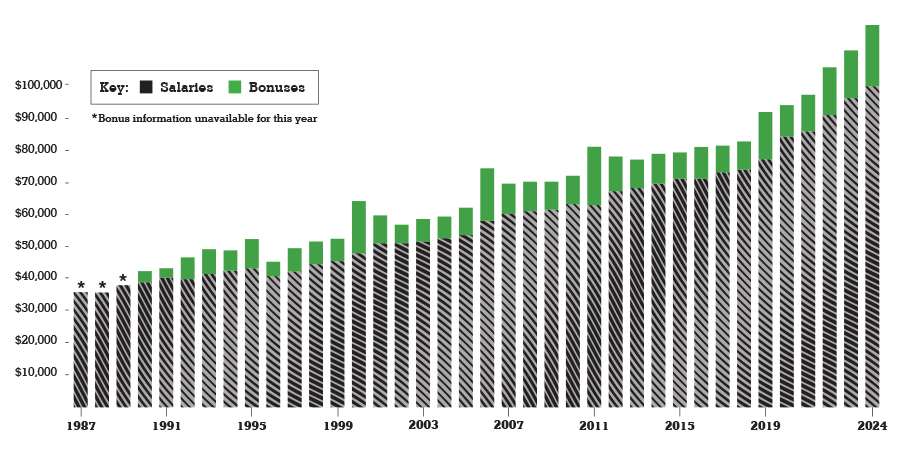
Base salaries have followed a relatively slow and steady march upward for the past 36 years, aside from setbacks in 1988, 1992, 1996, 2011, and 2016. But the only thing predictable about bonuses and additional-compensation averages is their unpredictability, ranging from a low of $2,981 in 1991 to highs of more than $16,000 in 2000, 2006, and 2011, with a new record of more than $18,000 set in 2024.
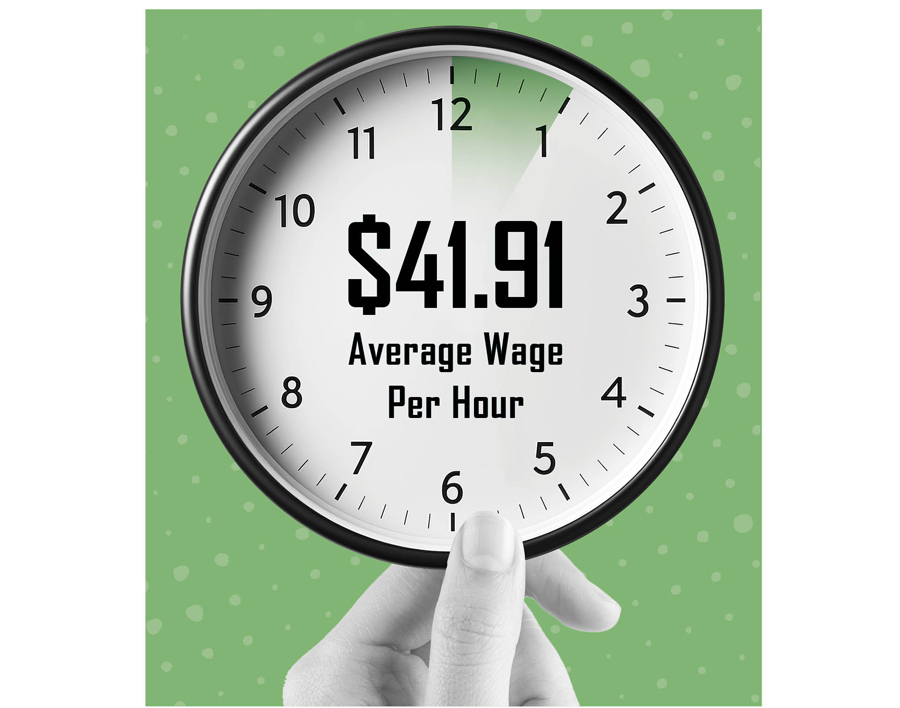
Most of our survey respondents say they receive fixed annual salaries. But what would 60 minutes of work be worth if those salaries were translated into hourly wages? Based on an average 48-hour workweek and three weeks of vacation, our calculations say exhibit and event professionals' average wage works out to roughly $41.91 per hour.
When EXHIBITOR magazine celebrated the milestone of its 30th Annual Salary Survey, we shared nothing but good news about increased compensation and a reduced gender gap (although we did lament the lack of overtime in an overtime-heavy industry). But we were in a different world. COVID? Didn't know her. But now that we're safely beyond the terrifying days of 2020, we can discover whether the pandemic caused lasting damage to industry professionals' annual compensation or if we're catching back up.
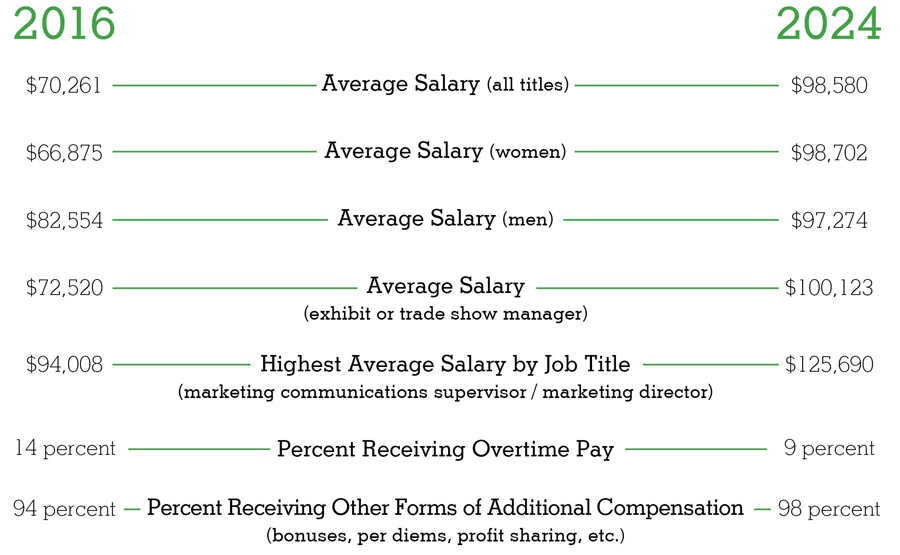
The vast majority (77 percent) of exhibit and event professionals reported receiving a raise in the past year, contributing to a 19 percent increase in average base salaries. Meanwhile, 22 percent of respondents are making the same amount as they were in 2023, and a mere 2 percent suffered salary cuts.