Since its inception, GitHub has established itself as the go-to platform through which developers and coders can make, well, anything, and then share and publish the projects (e.g., source code, design files, and documentation) they've created. It facilitates online collaboration between users and software companies all over the world, making it easy to work together to solve problems. In short, GitHub is nothing without the people and companies that publish on and benefit from its platform, and it wanted to create an event that celebrated the valued members of its online community in a genuine way.
So the company, which has since been acquired by Microsoft Corp. for $7.5 billion, went with an out-of-the-ballroom approach for GitHub Universe, its annual user conference. By showcasing the innovations and contributions of its members, featuring speakers and sessions focused on problem-solving and education, highlighting the many partnerships it has with enterprise companies, and giving a knowing wink to the quirky personalities of the coders it serves, GitHub reimagined the traditional user group for the next generation of conference attendees.
If the Venue Fits
GitHub's first order of business was finding a replacement for the stale hotel ballroom. Since the platform's users are problem solvers and innovators, the company wanted its event venue to exemplify that spirit. Thus, it teamed up with marketers at Manifold Inc., an experiential marketing agency, to scout the Bay Area for the polar opposite of conventional. And they found it: a rusty warehouse located at Pier 70 in San Francisco.
"It was a creative blank canvas," says Kelly Long, partner and co-founder at Manifold. "We wanted to create an authentic experience for attendees that was unexpected, educational, and inspirational. Our challenge was to transform this really raw space into a comfortable, hospitable environment for attendees to relax and learn in." That meant bringing in three tractor-trailers packed with generators, portable heaters, and fans to accommodate any weather San Francisco could conjure.
"To a certain degree, we could do whatever we wanted, as long as we kept the fire marshal happy," Long says. And the team at Manifold took full advantage of that liberation, turning the vacant shelter into a sophisticated world unto itself. One focal point of that extreme makeover was an enormous Octocat, the company's iconic cat-slash-octopus mascot that appeared at previous events as a modestly sized, inflatable emblem of the GitHub community. "We asked ourselves, what if Octocat had grown and filled the whole building, and her tentacle arms were reaching out, sort of as a high-impact welcome for attendees?" says Kate Ward-Walton, associate creative director at Manifold. Where a typical user conference might rely on vinyl banners, GitHub Universe opted for a giant inflatable cat/octopus hybrid. And developers dug it.
Style and Substance
From a distance, GitHub Universe was a large, rusty warehouse on a pier with huge inflatable tentacles poking out. When the venue is this off the wall, the nuts and bolts of the event have to be out of this world. Fortunately for attendees, the fantastical optics were backed up by a comprehensive itinerary.
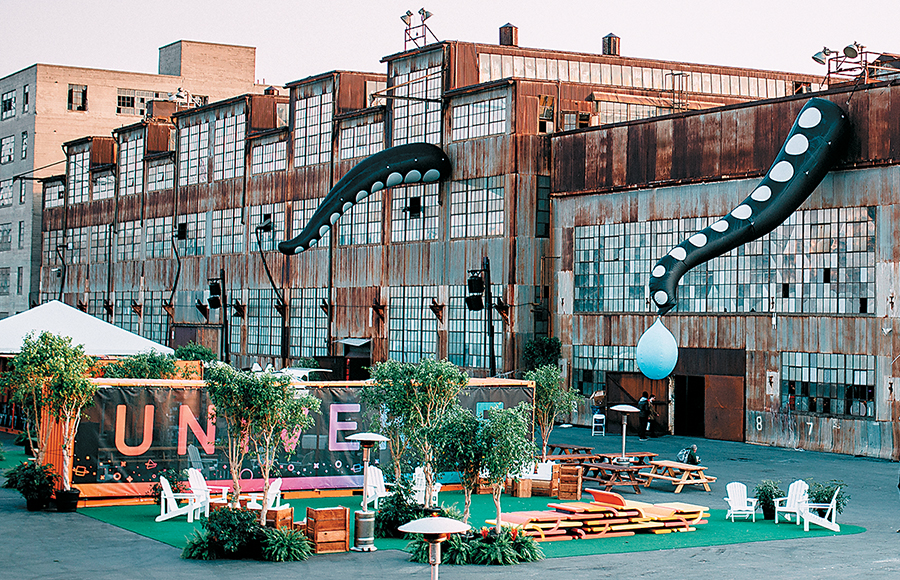 The GitHub Universe user conference was held in a large, rusty warehouse with oversized inflatable tentacles emerging from the walls. To cozy up the place, GitHub Inc. added artificial turf, potted plants, and benches.
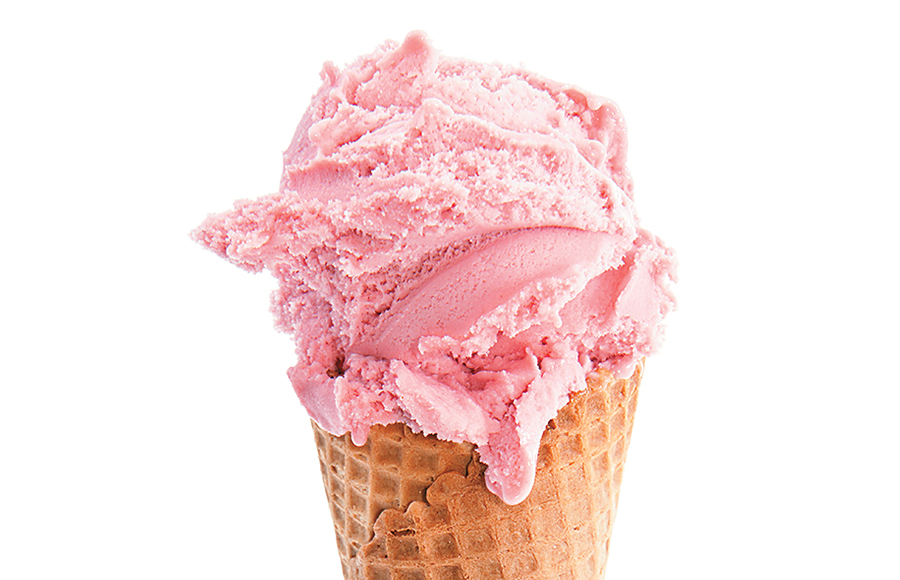 What's a user conference without a solid food and beverage selection? Waffle.io hosted an ice cream social featuring branded waffle cones, and Rocro Inc. sponsored a juice truck.
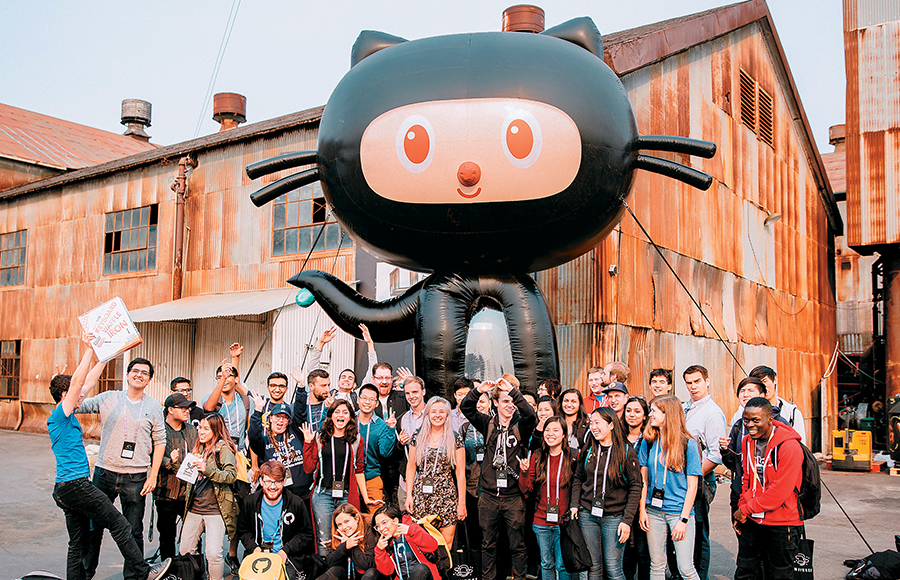 GitHub's iconic black-and-white mascot, named Octocat, greeted attendees as they arrived at the Universe.
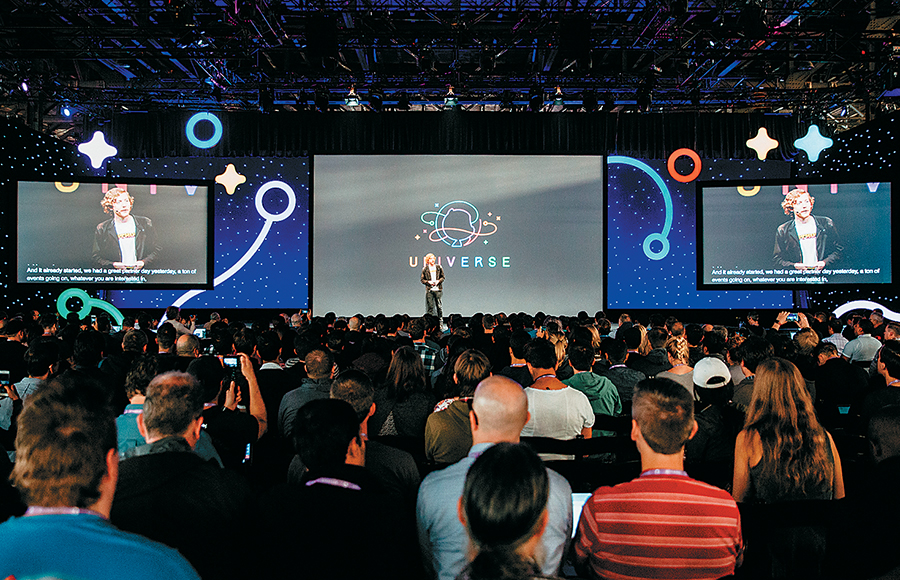 To achieve the effect of a night sky illuminated by starlight, hundreds of pin lights shown through black curtains that flanked the venue's main stage, while uplighting in alternating hues of blue and purple added to the ethereal atmosphere.
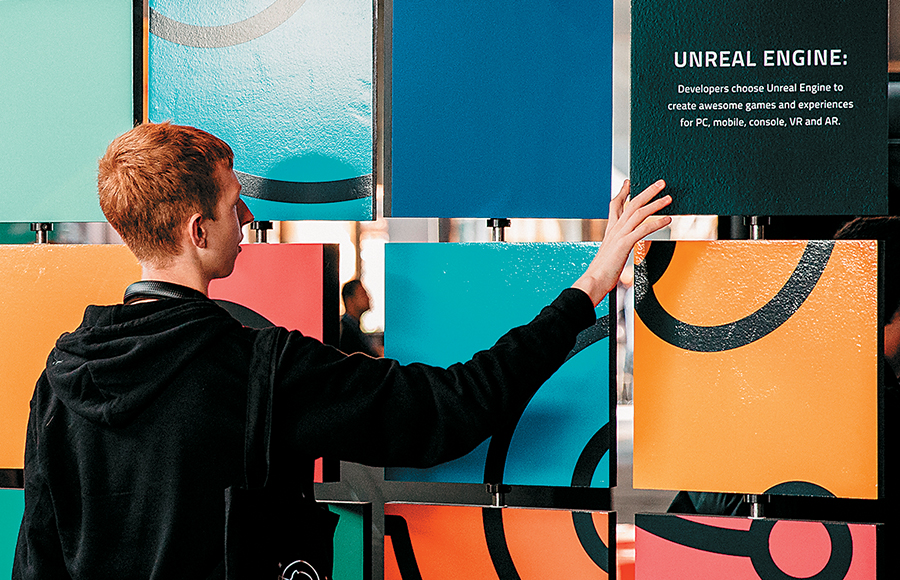 The Universe's Explore area featured a wall comprising 48 colorful panels. Attendees could rotate the panels to read information about individual projects created by users and published on the GitHub platform.
 As attendees entered the space, they walked through a black arch adorned with geometric icons that further alluded to galactic elements along with the words, "Welcome to the Universe." Once inside, the sheer size of the warehouse became evident. Though the space exploited a relatively open floor plan, it did have four universe-themed breakout stages. In lieu of traditional breakout rooms, these open-air spaces – dubbed Milky Way, Andromeda, Centaurus, and Pegasus – housed educational sessions presented by speakers from Microsoft Inc., Google LLC, and more on subjects ranging from building a tech community in Africa to improving workflow using GitHub's API.
In addition to the four breakout stages, GitHub Universe boasted a main stage and general session room enveloped in a multicolored star field produced by hundreds of pin lights shining through black curtains. Meanwhile, three flatscreen monitors at the rear of the stage displayed speaker presentations and other content.
To support its mission of celebrating community, GitHub Universe flaunted an Explore area comprising a wall of 48 square panels that, when spun, displayed information about key projects created on the GitHub platform. The brightly colored panels encouraged interaction, and many of the featured projects were executed by attendees – an aspect Corporate Event Awards judges appreciated. "The tone of this event tied to the brand message that community comes first," one judge said. "They absolutely nailed it."
A Word From Our Sponsors
Beyond the breakout stages and Explore area, sponsors set up shop in true GitHub Universe fashion: There was nary a pop-up booth or banner stand in sight. Instead, Manifold and GitHub turned boring booths into four art installations, each one shining a light on a different sponsor (all of which were software companies). For example, a 12-foot-tall, 3-D Axosoft GitKraken logo served as the perfect photo op for geeked-out attendees, and a giant duck sculpture comprising hundreds of rubber duckies did the quacking for Black Duck Software. These somewhat offbeat installations helped to further the very chill vibe GitHub Universe wanted to foster. "The most exciting part of the event was watching these sponsor installations come to life, because it was such a unique approach to corporate sponsorship," says Jaime Tosio, senior account manager at Manifold. "Seeing how much joy they brought attendees and sponsors was really rewarding." No one ever said that about a branded lanyard.
In lieu of the banner stands and pop-up exhibits typically found at corporate events, GitHub Universe sponsors received a more artistic treatment that playfully brought their brands to life.
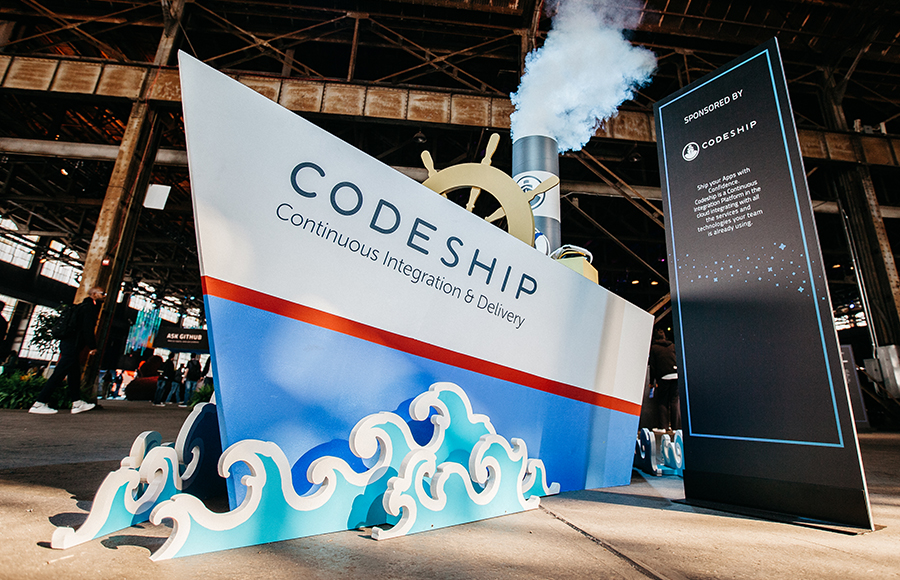 Software company Codeship's sponsor activation included a 3-D steamboat topped with a fog-machine smokestack.
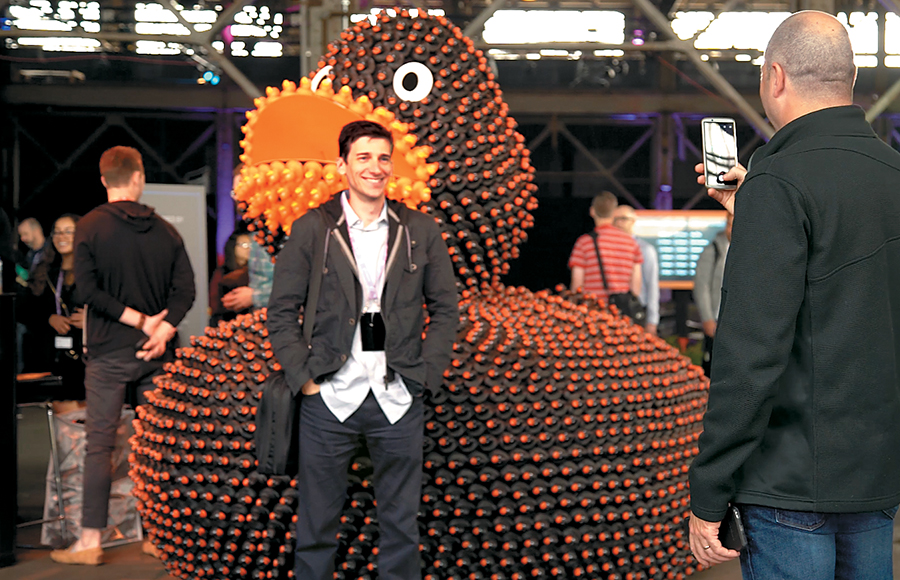 Black Duck Software was represented by a massive sculpture covered with hundreds of black and yellow rubber duckies.
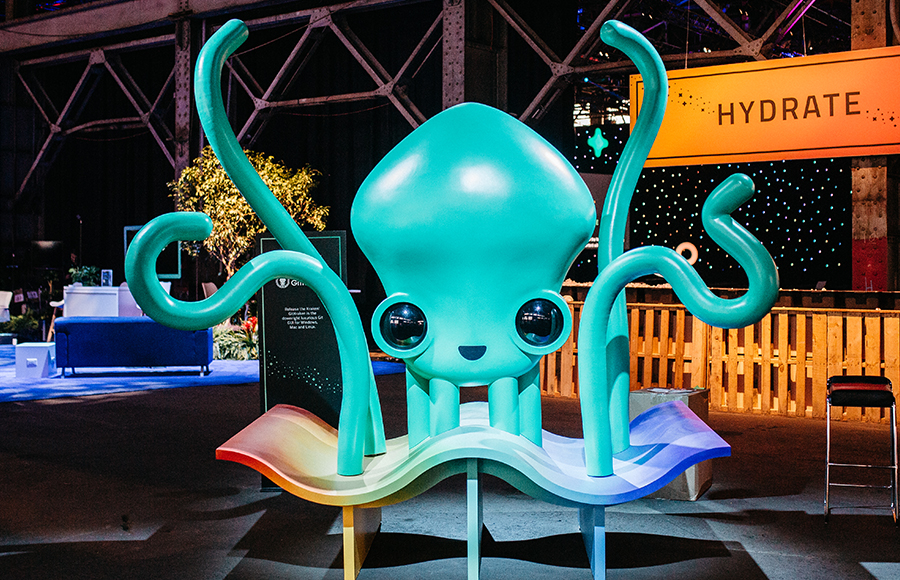 A 12-foot-tall representation of Axosoft GitKraken's multiarmed mascot was a popular backdrop for attendee photo ops.
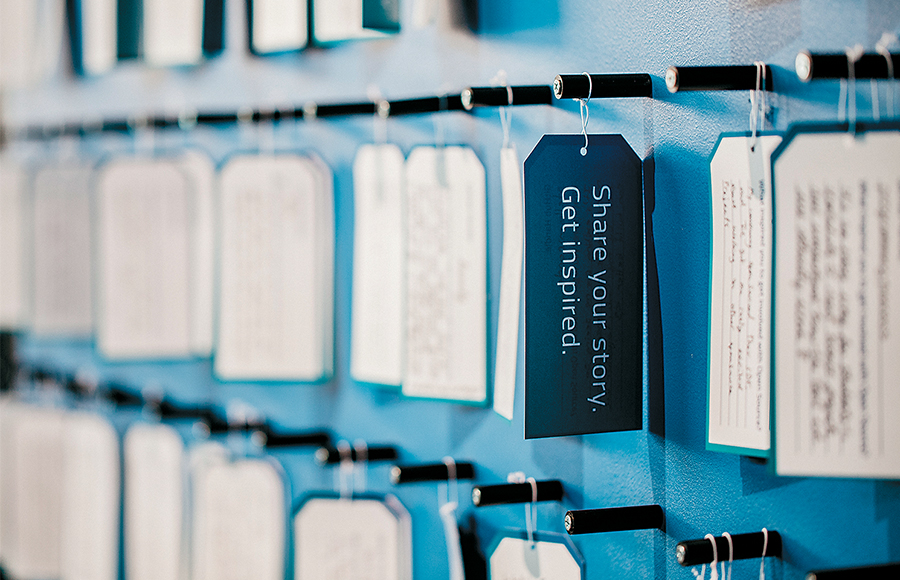 Attendees wrote words of inspiration on small tags and signed them with their GitHub handles before placing them on DigitalOcean Inc.'s conversation wall.
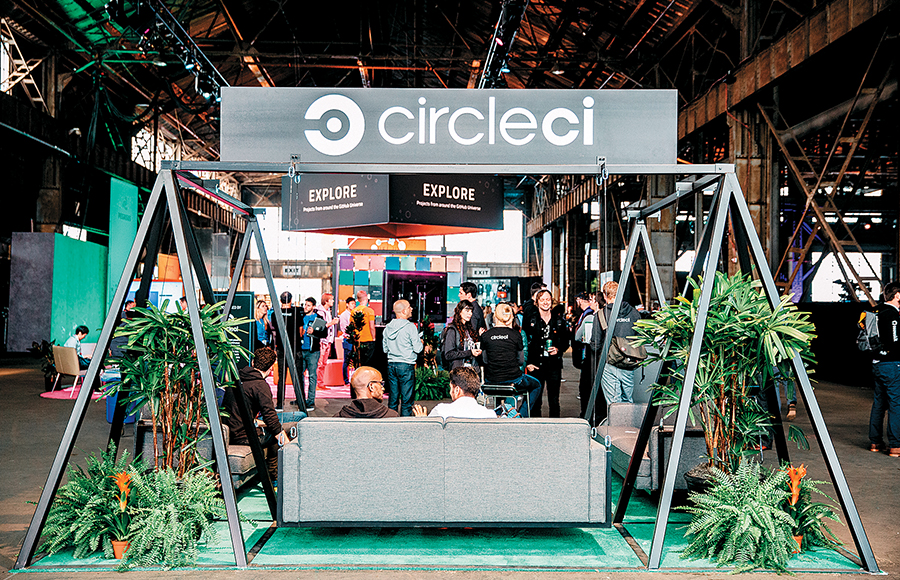 For attendees who just wanted to contemplate the meaning of life with their pals, CircleCI's swing lounge offered the perfect respite: three full-sized couch swings.
Traditional food and beverage also underwent a GitHub reinvention. Those jonesing for a caffeine fix after a long night of coding could head outside to visit one of the many sponsor-provided food trucks. For example, Compose provided a full-service coffee bar, and Rocro Inc. sponsored a juice truck and lounge area featuring a charging station for electronic devices. For those seeking sustenance, Waffle.io hosted an ice cream social complete with branded waffle cones, and there were even made-to-order waffles in the shape of computer keyboards. No convention center hot dogs for this crew.
Though corporate sponsors are integral to large-scale events, philanthropy is an equally important component of GitHub Universe, and the company selects an organization to donate to every year. The 2017 beneficiary was Maven, which fosters innovative solutions that empower young members of the lesbian, gay, bisexual, and transgender community to network, organize, and educate for social change. At the event, staffers encouraged attendees to tear a piece of paper from an installation wall, write an encouraging note about coding to a young developer, and leave it in an empty book located near the wall. After the event, GitHub presented the book to Maven on behalf of attendees. It also donated the proceeds from food and drink sales during the event's opening night concert, which replaced the usual welcome reception snooze-fest found at most corporate events.
Even traditional swag-distribution methods underwent a makeover at GitHub Universe. Instead of handing out tchotchkes in branded bags, GitHub opted for Swag-O-Matic vending machines. Attendees collected tokens by participating in the event's activities and engaging with the aforementioned sponsor activations. By inserting those tokens into the Swag-O-Matic, guests earned branded GitHub gear in colorful plastic pods that descended a spiraling portal à la retro gumball machines.
While relatively unbranded, the Universe did have a place dedicated to GitHub and its products and services, dubbed Ask GitHub. Here, attendees could connect with various GitHub teams. It also featured the Hiring Lounge, where staffers offered advice and guidance to attendees looking to secure their dream jobs with the tech giant.
The Final Frontier
Indeed, GitHub Universe had everything developer attendees wanted: fresh ideas courtesy of the industry's leading-edge innovators, plenty of space to network and problem solve, engaging experiences, and a little bit of recognition for projects created using GitHub's platform. Attendance at the 2017 event surpassed 1,500 guests, meeting pre-event goals and more than doubling the number of visitors at the first GitHub Universe in 2015. And the sponsorship installations were a huge boon for those that participated, as a post-event survey revealed a 96-percent satisfaction rate around the appearance and design of the activations and a 90-percent level of satisfaction with on-site attendee engagement.
In addition to sponsor satisfaction, GitHub Universe garnered a whopping 10 million media impressions, 25,000 direct impressions, and 19 million social impressions. Live streams of the event's activities netted 401,391 total views for the opening keynote alone. And event buzz made it into the pages of nearly a dozen industry and business publications, including two articles in Business Insider and mentions in Techly and Techworm.
By treating its users as valuable members of a community and transforming a barren warehouse into a veritable world of inspiration and camaraderie, GitHub reinvented the traditional user conference. What's more, the company's approach adopted an audience-first focus that fosters genuine relationships built on trust and authenticity – and the planets aligned accordingly. E


Marketplace

- Audiovisual Equipment
- Convention Centers
- Event Design and Production
- Exhibit Fabrication
- Exhibit Producers
- Exhibit Rental
- Experiential Agency
- Flooring
- Graphics
- International Exhibit Producers
- Kiosks
- Lead Retrieval
- Modular Exhibit Systems
- Portable Display Systems
- Shipping and Transportation
- All Companies
3048R Sales and Marketing Alignment: How to Get ‑ and Stay ‑ on the Same Page
Feb. 10, 2026
3011R How to Grow Your Brand: Incorporating Brand Marketing into Your Exhibit Program
Feb. 19, 2026
4101R Boost Up: Promote Yourself from Service Provider to Strategic Business Partner
Mar. 3, 2026
6020R The @show Experience: Understand the Essentials of Exhibit Design
Mar. 10, 2026
7058R Authors Executive Series: Thrive Under Deadlines: Strategies for Success
All Sessions >>